Between September 2023 and February 2024, Paris-based architect and artist Louise Morin carried out a residency focused on the issue of thermal comfort and the ideal temperature.
Global warming, geopolitical tensions and the recent oil crisis are raising crucial questions about energy resources, highlighting the importance of architecture in public and political debate. At the same time, within the discipline itself, standards relating to the energy performance and insulation of buildings are becoming increasingly stringent. And while alternatives to materials derived from the petroleum industry and the perpetual renewal of ever more efficient techniques do exist, they are still not widely used.
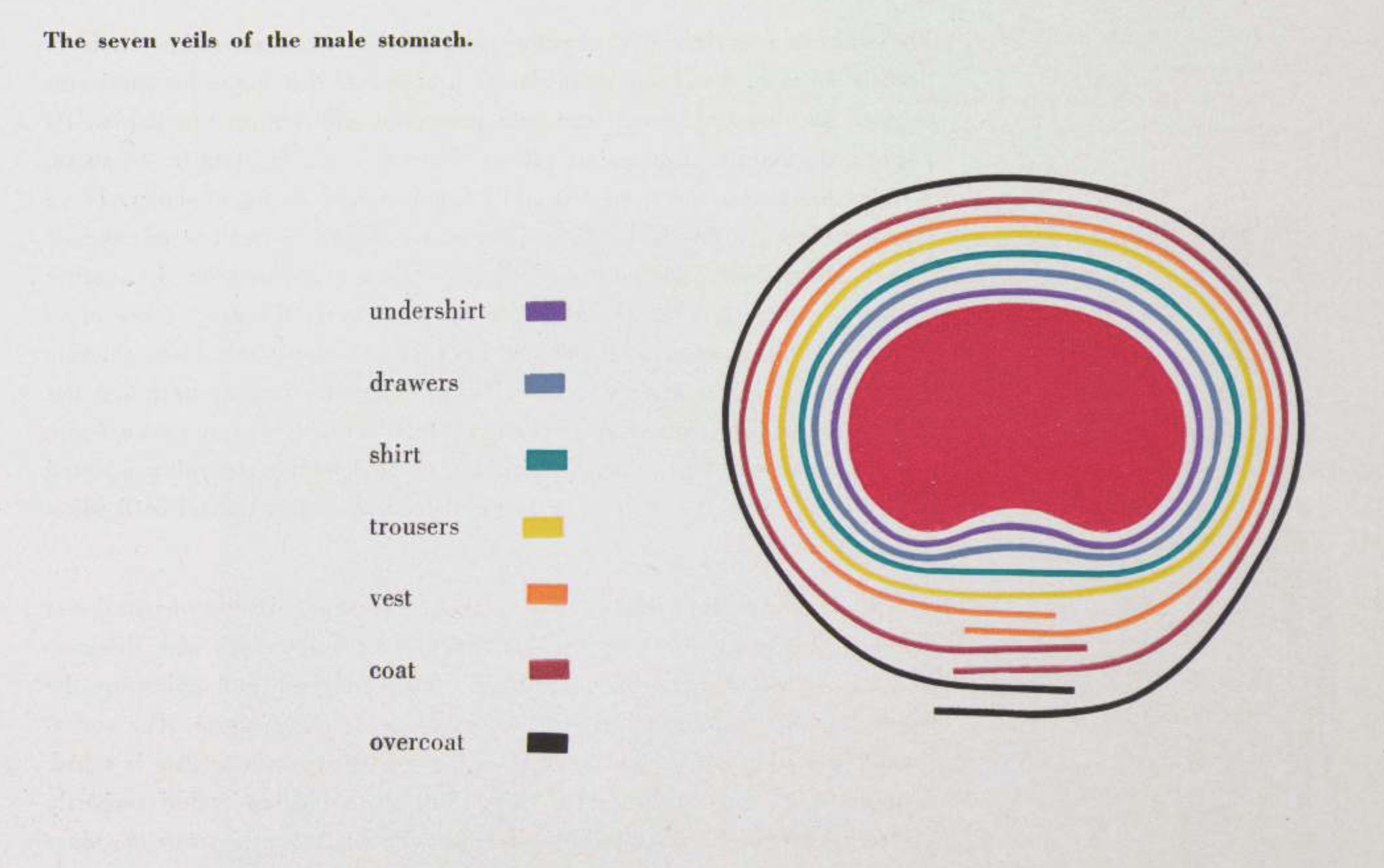
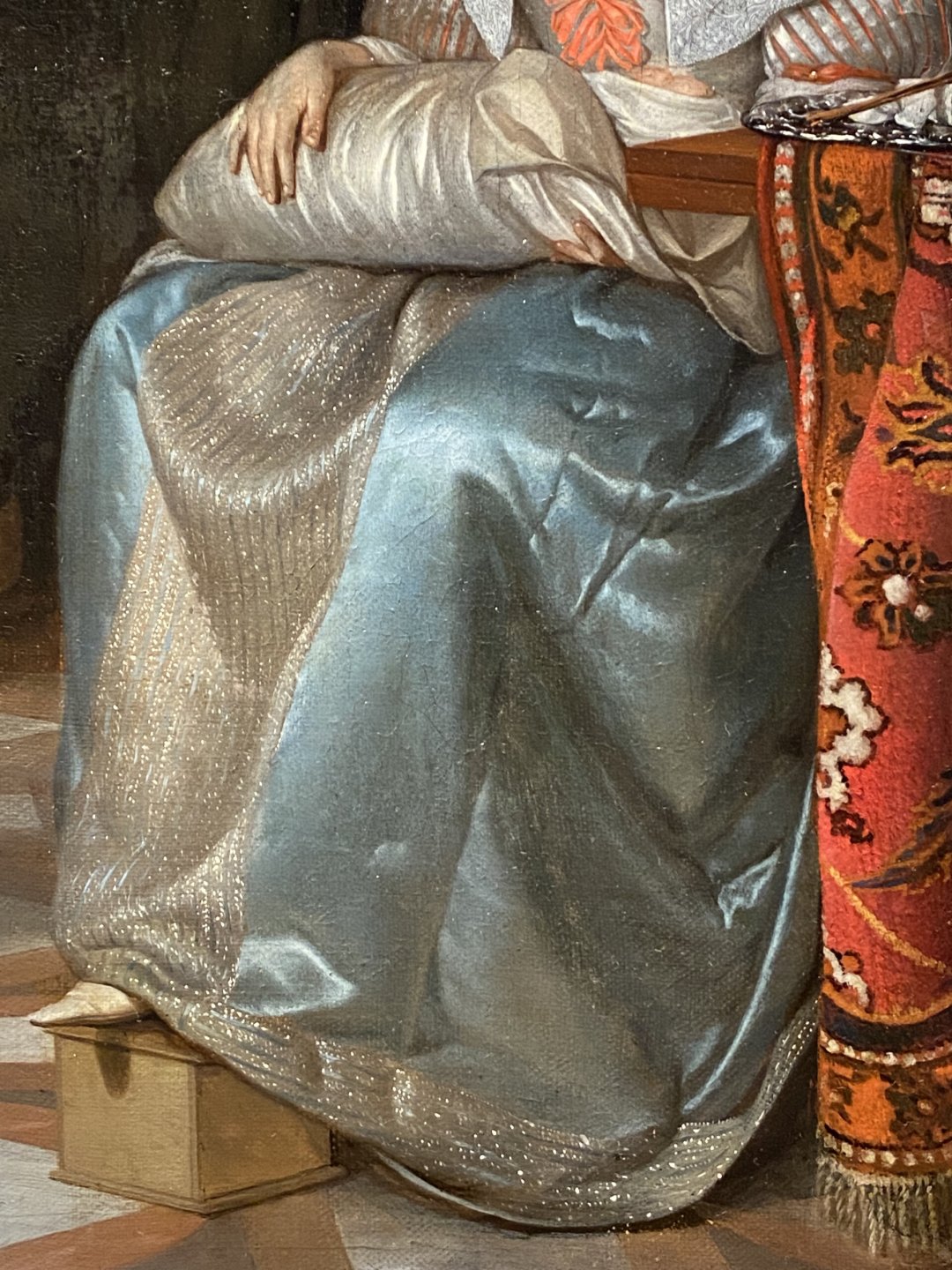
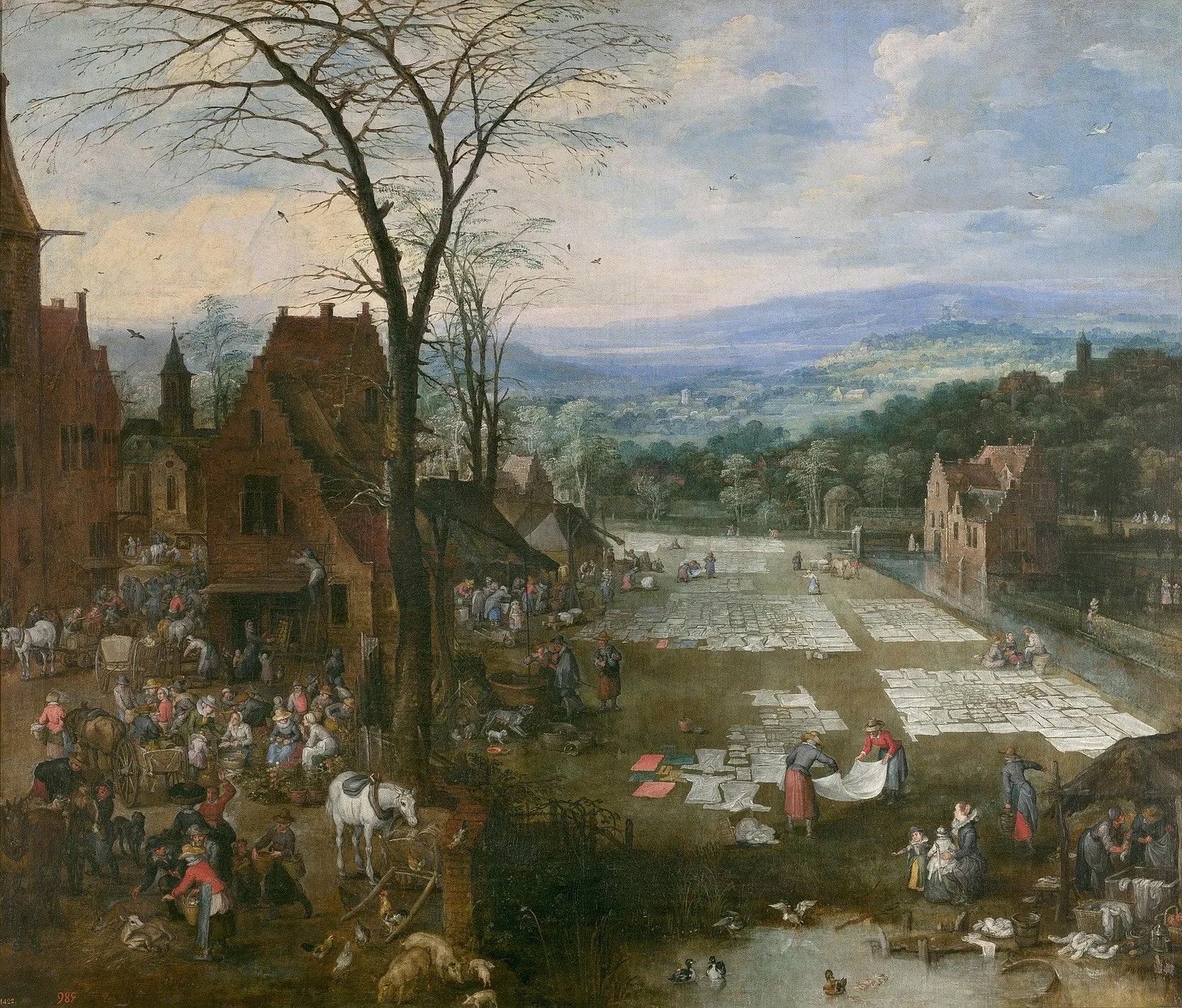
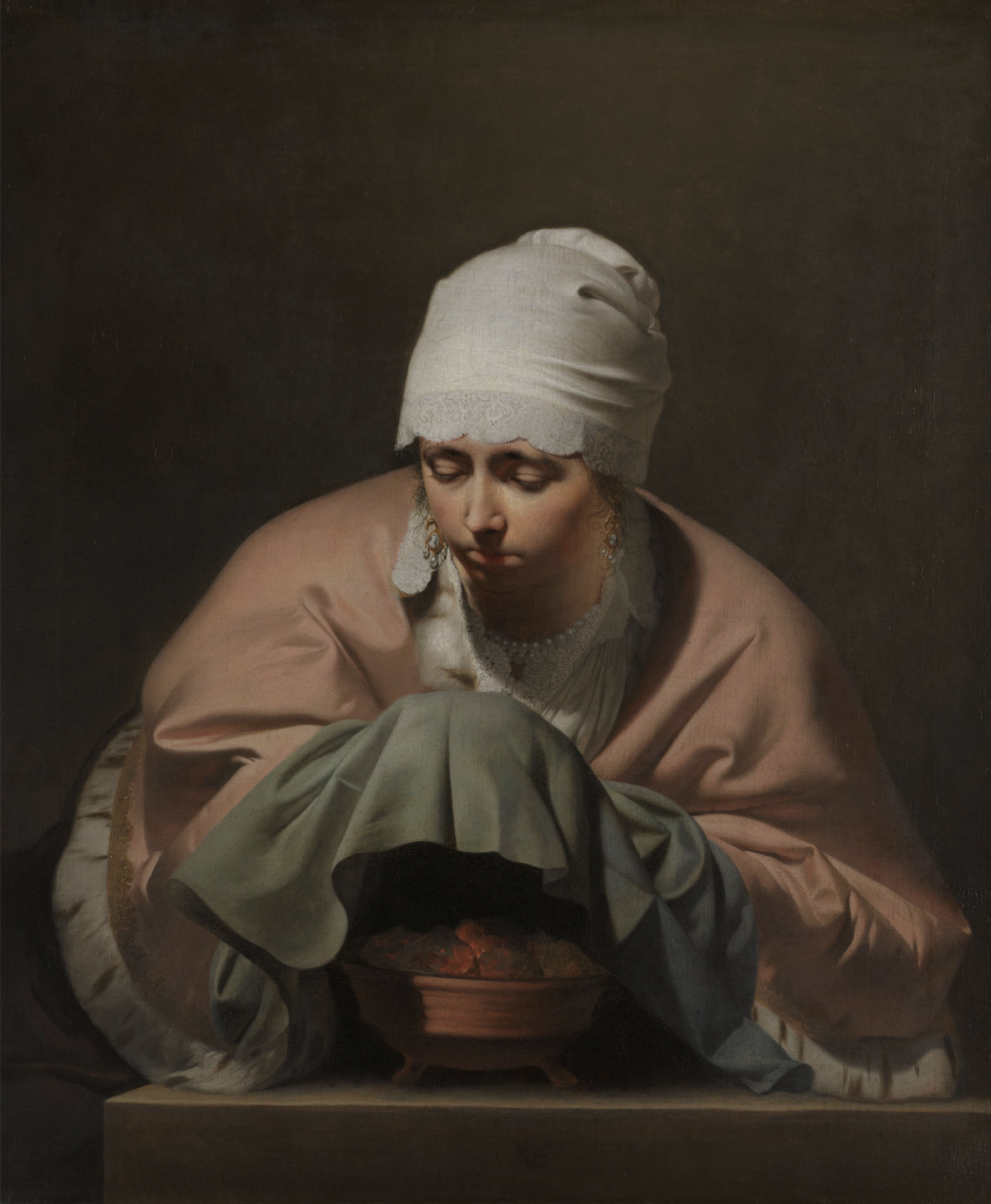
Against this backdrop, Louise set out to explore the idea of heating bodies rather than spaces. Rooted in the Belgian territory, she turned her attention to the history of the textile industry, which has played a major role in Belgium for centuries. Inspired by the paintings of the old Flemish masters and the cloth halls built in many large urban centers, she gradually turned her research towards contemporary issues.
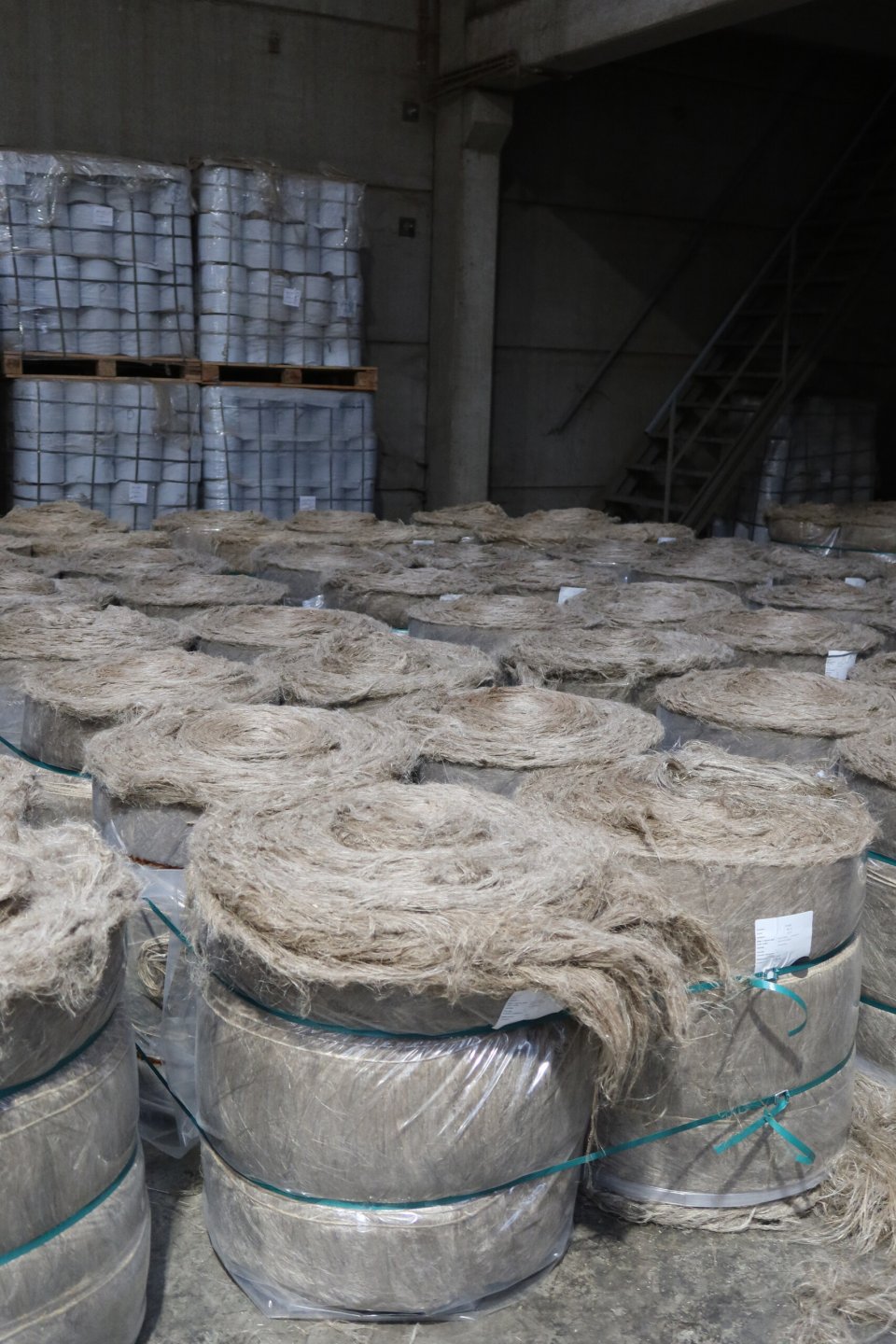
Her contextual research led her to mix disciplines, varying between visits to museums and industries, discovering what remains of textile production in the area today. In Belgium, flax growing — from fiber to seed — has always played a major role in a variety of sectors ranging from textile to construction industry. It is grown, harvested and processed locally before being exported all over the world.
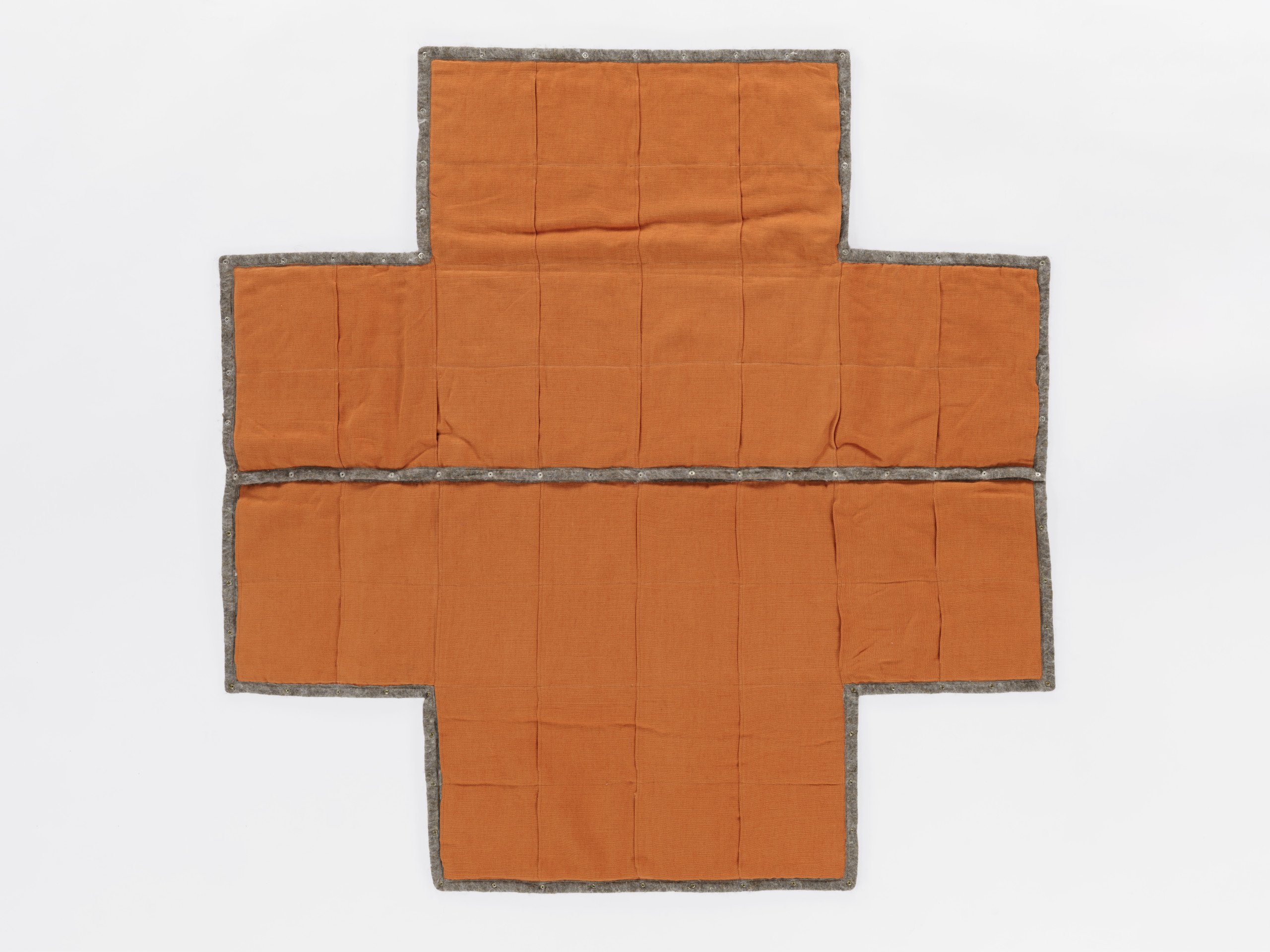
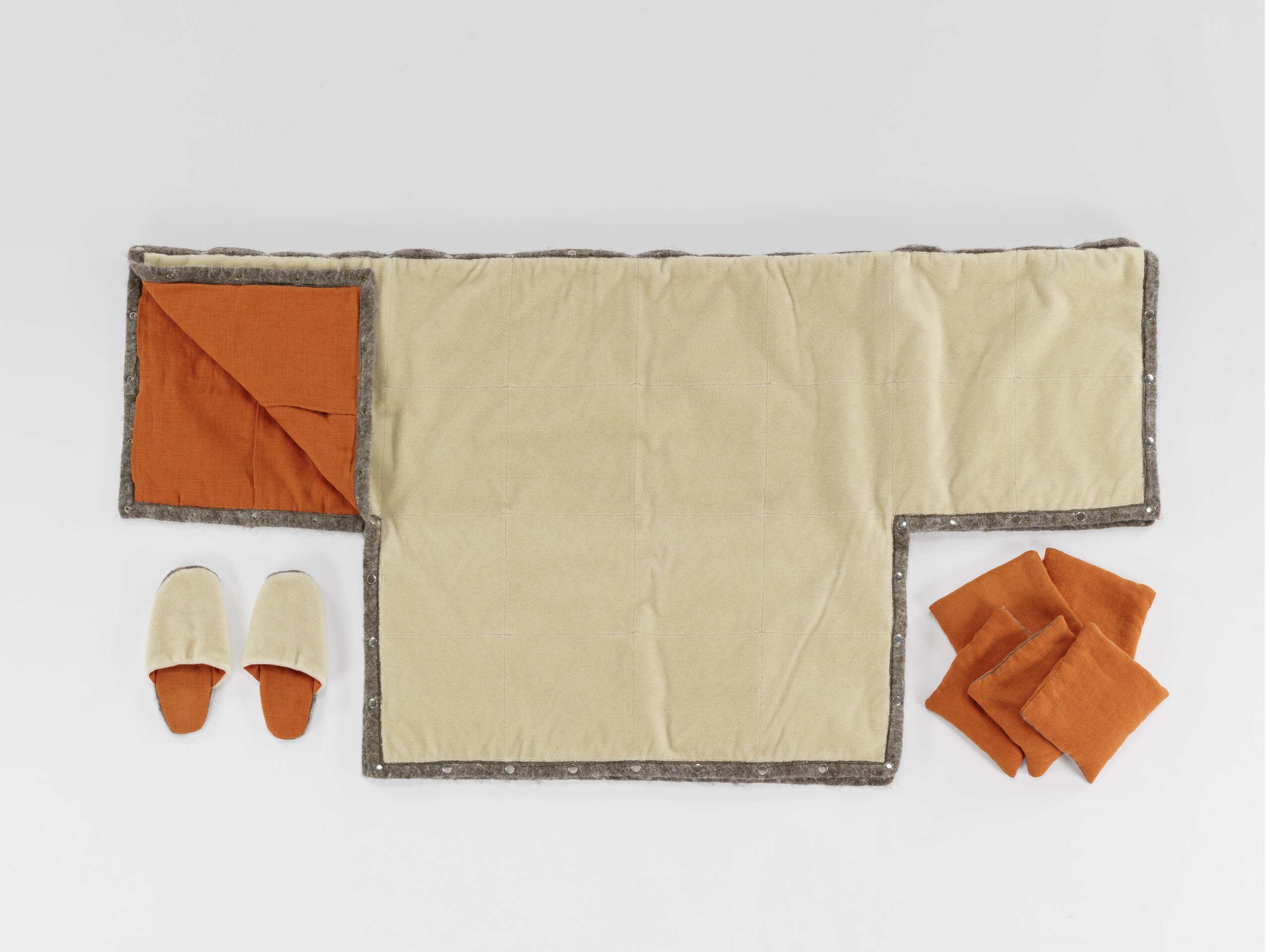
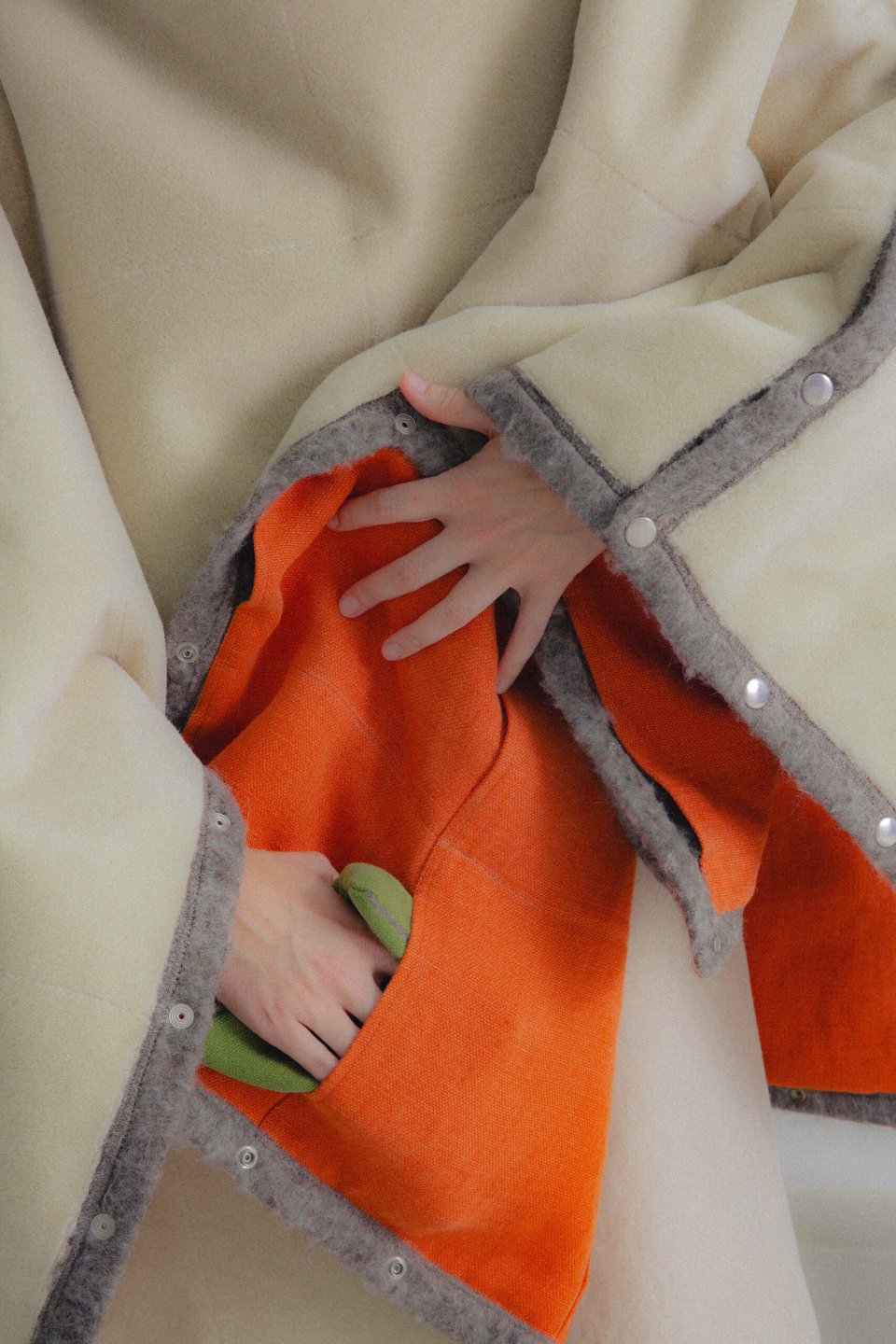
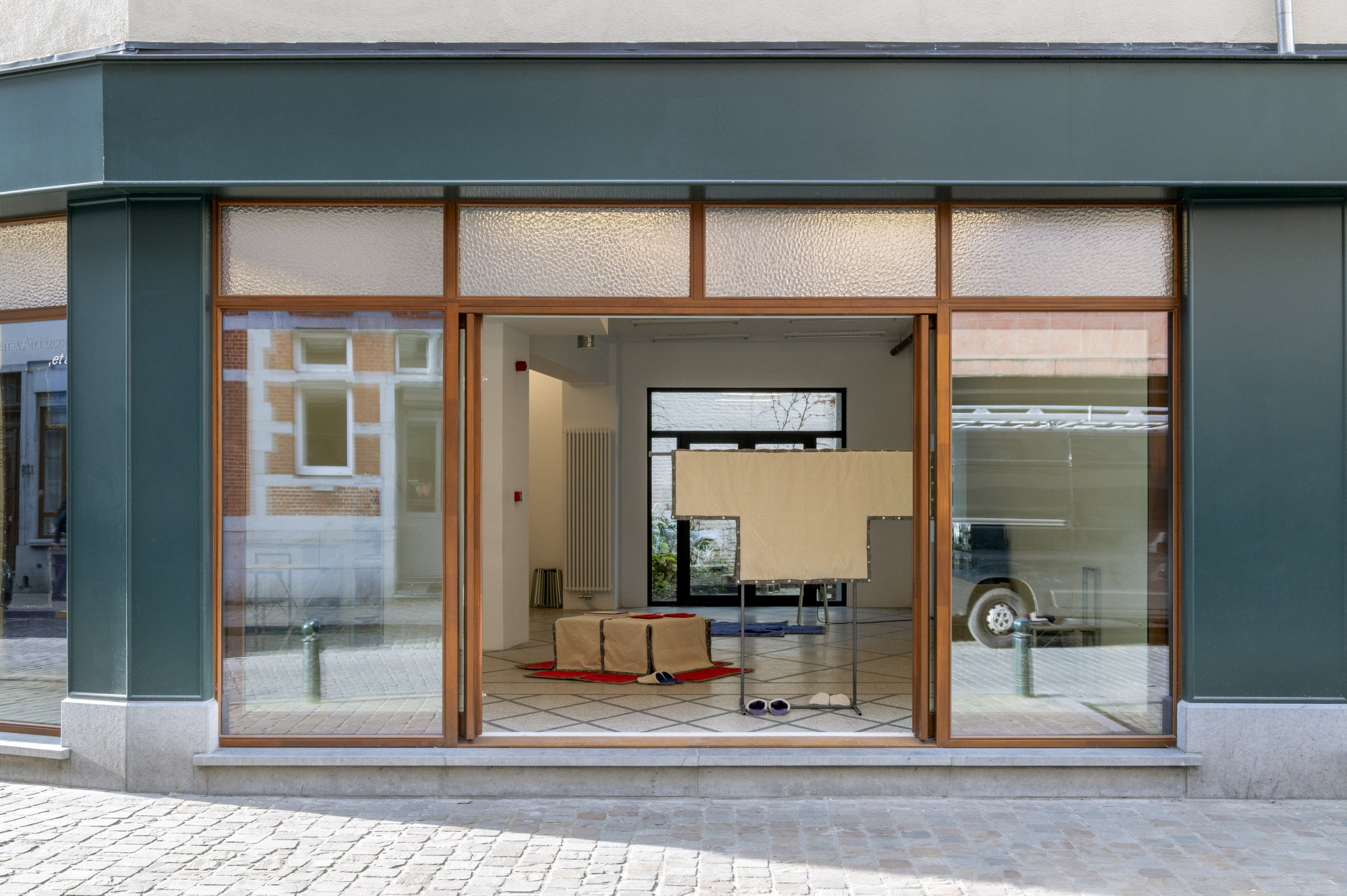
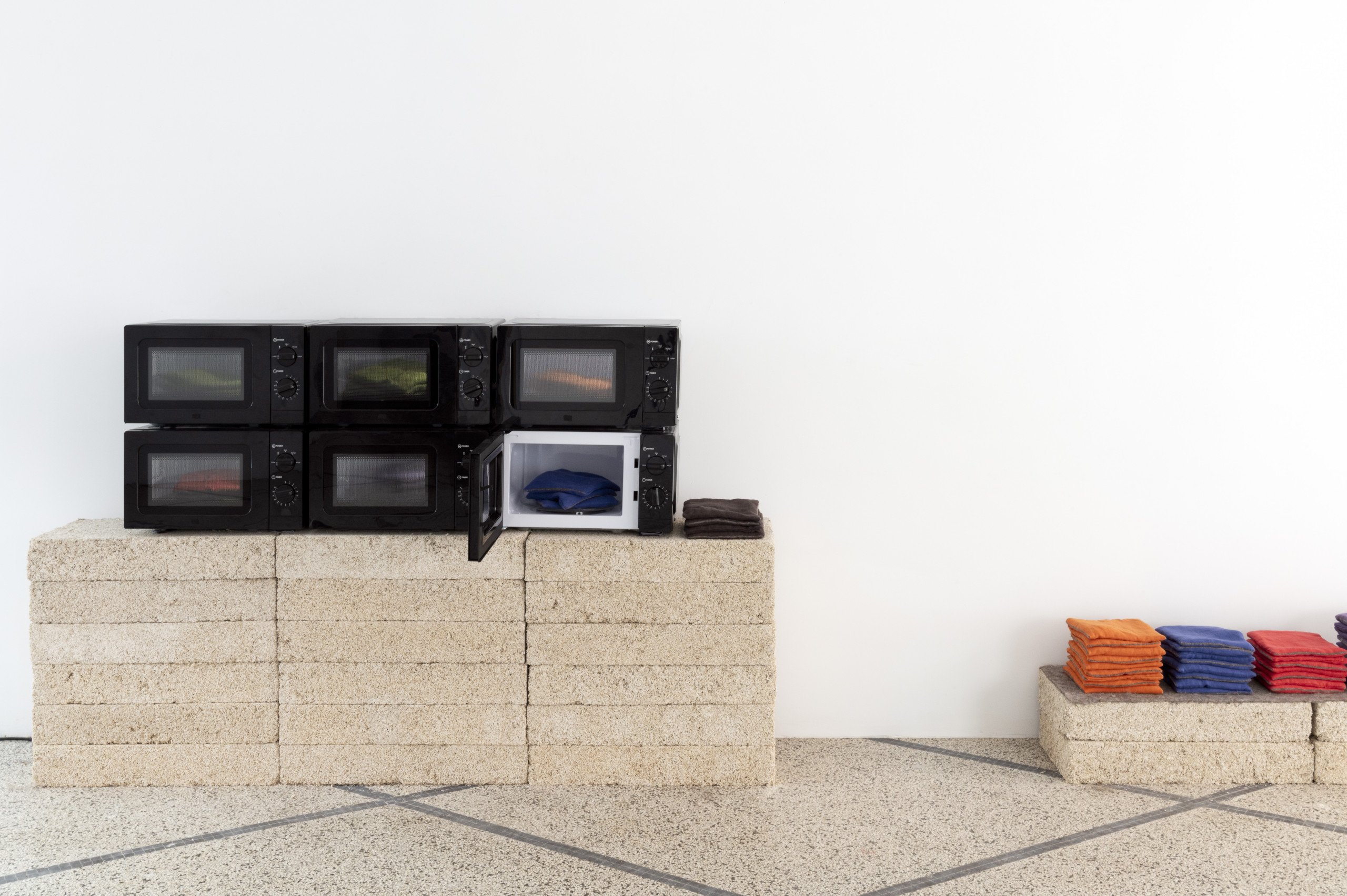
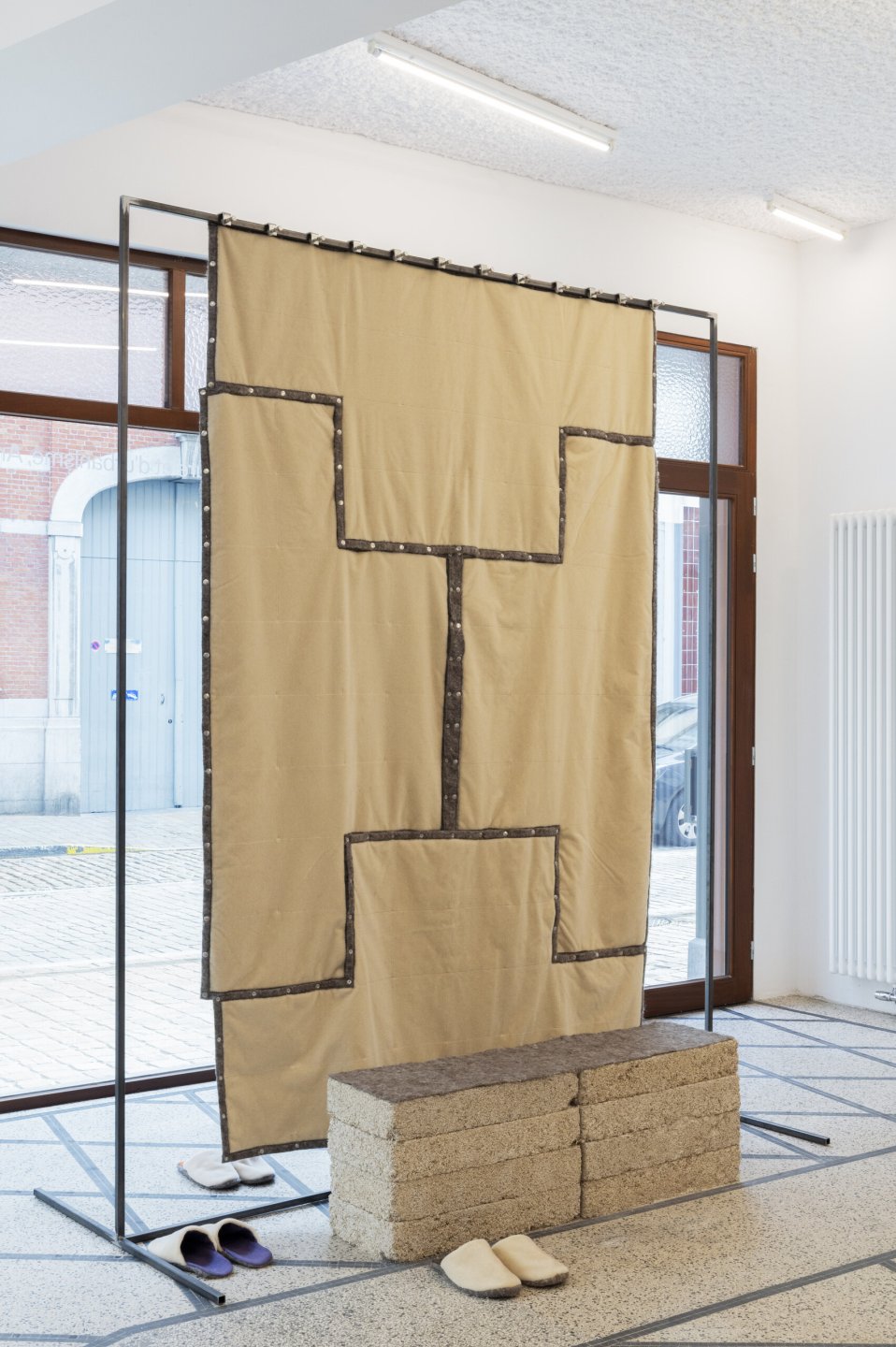
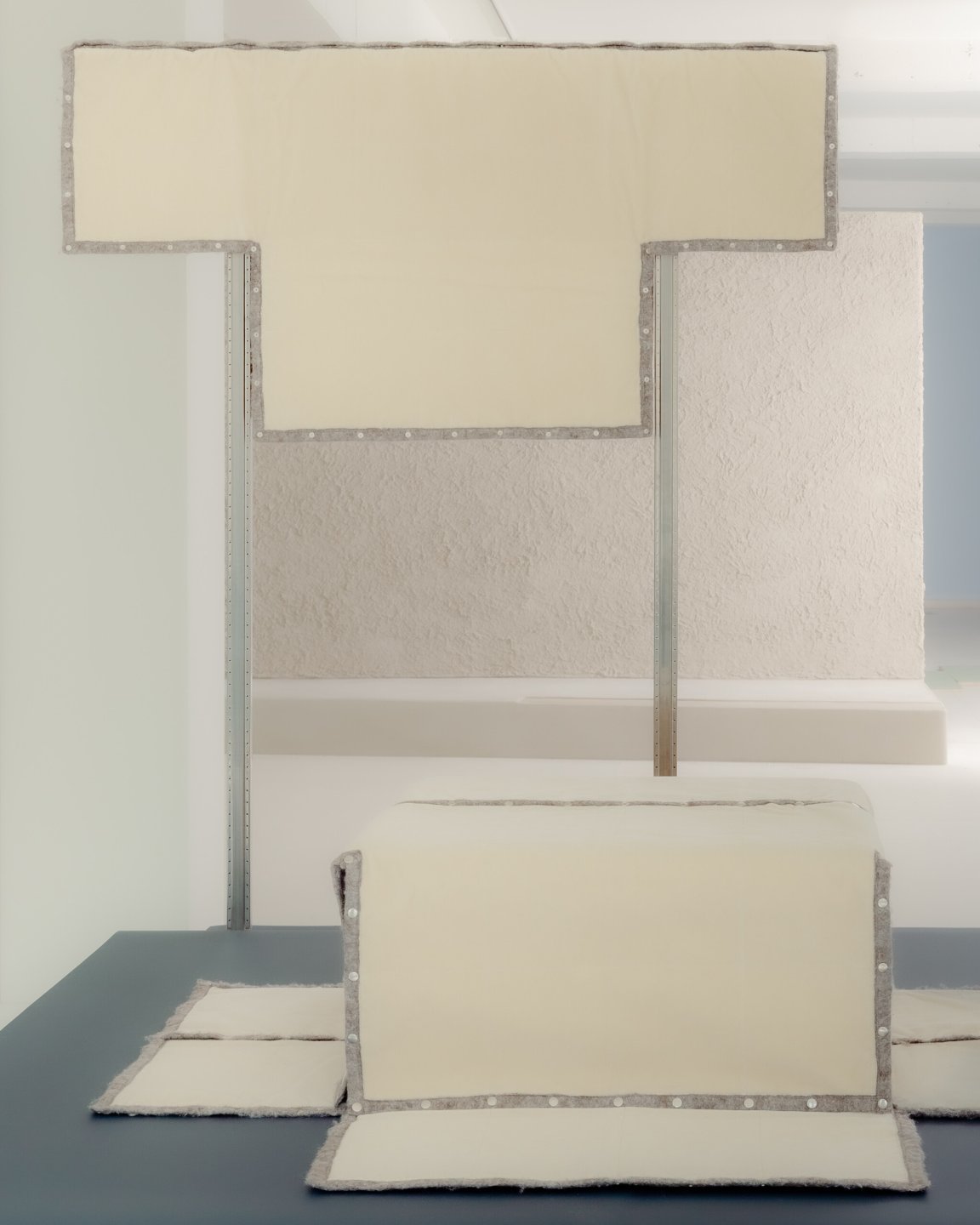
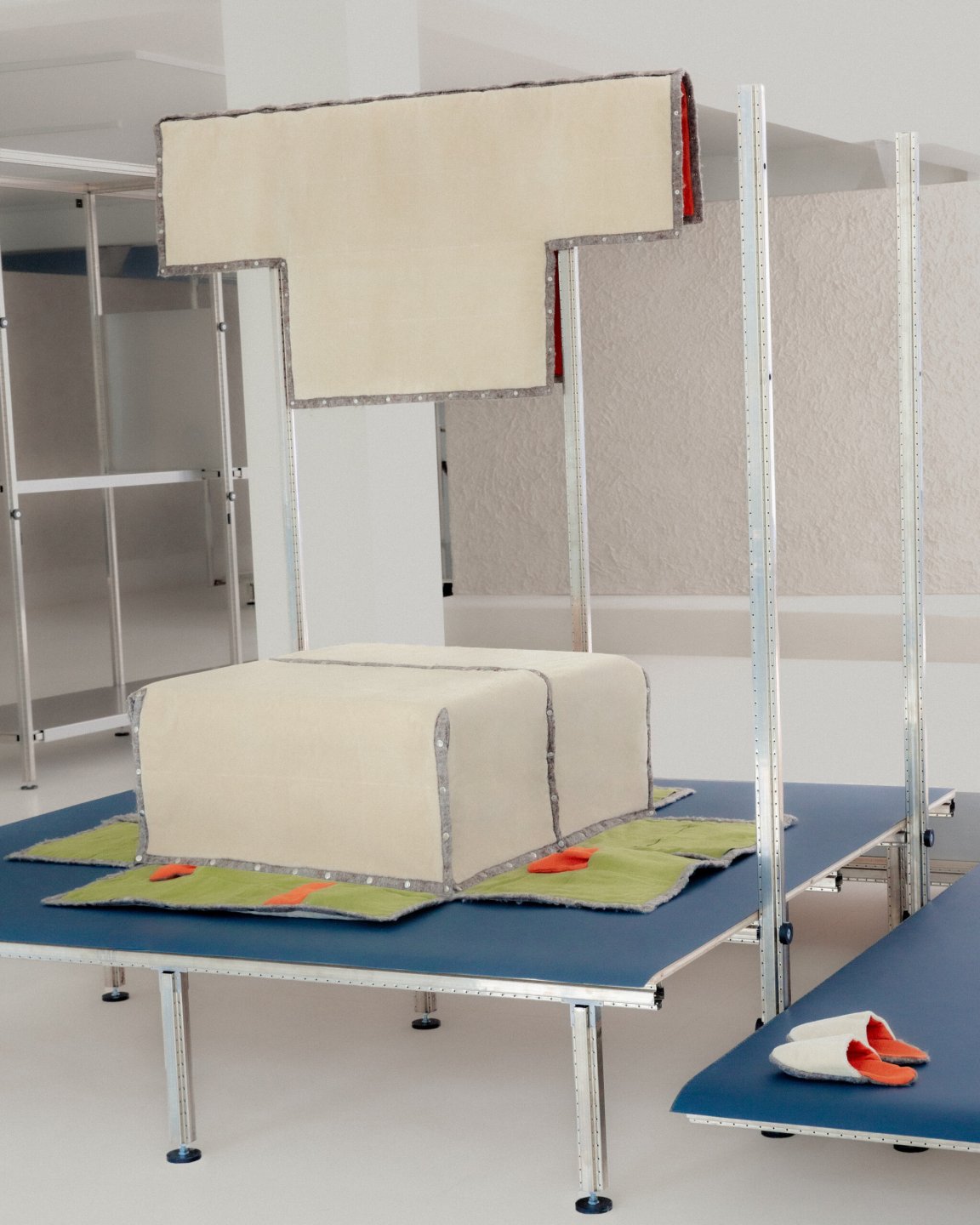
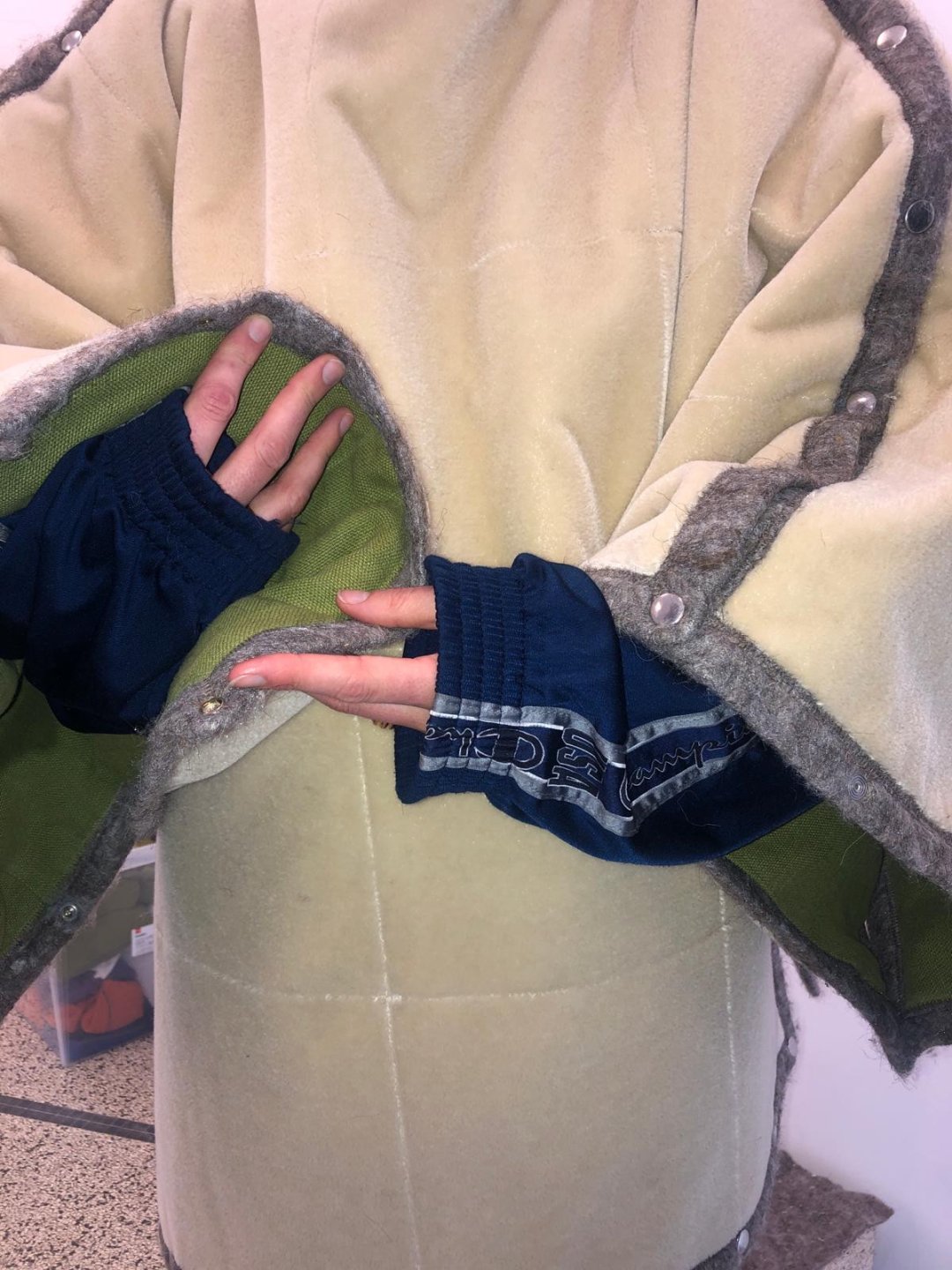
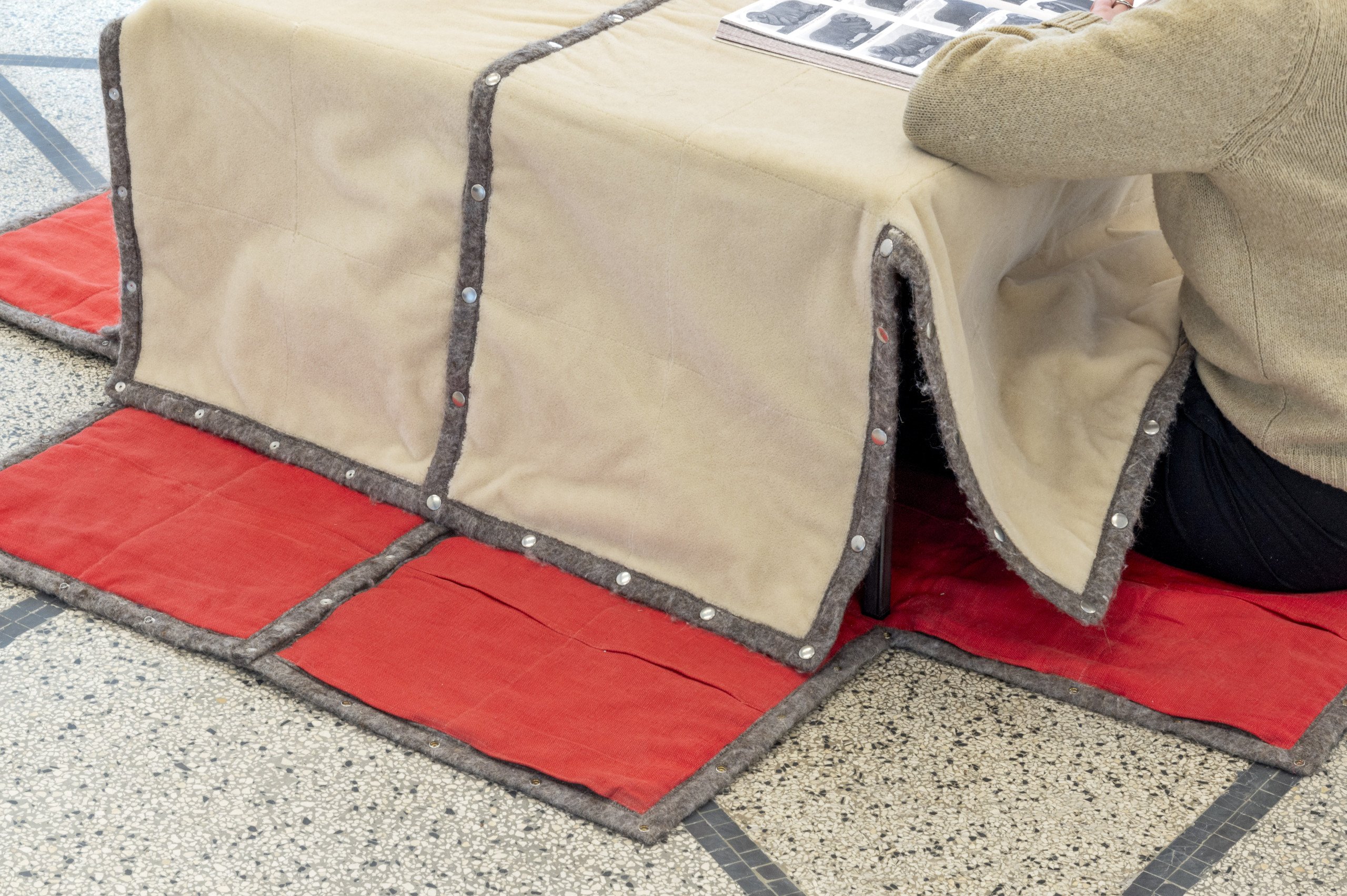
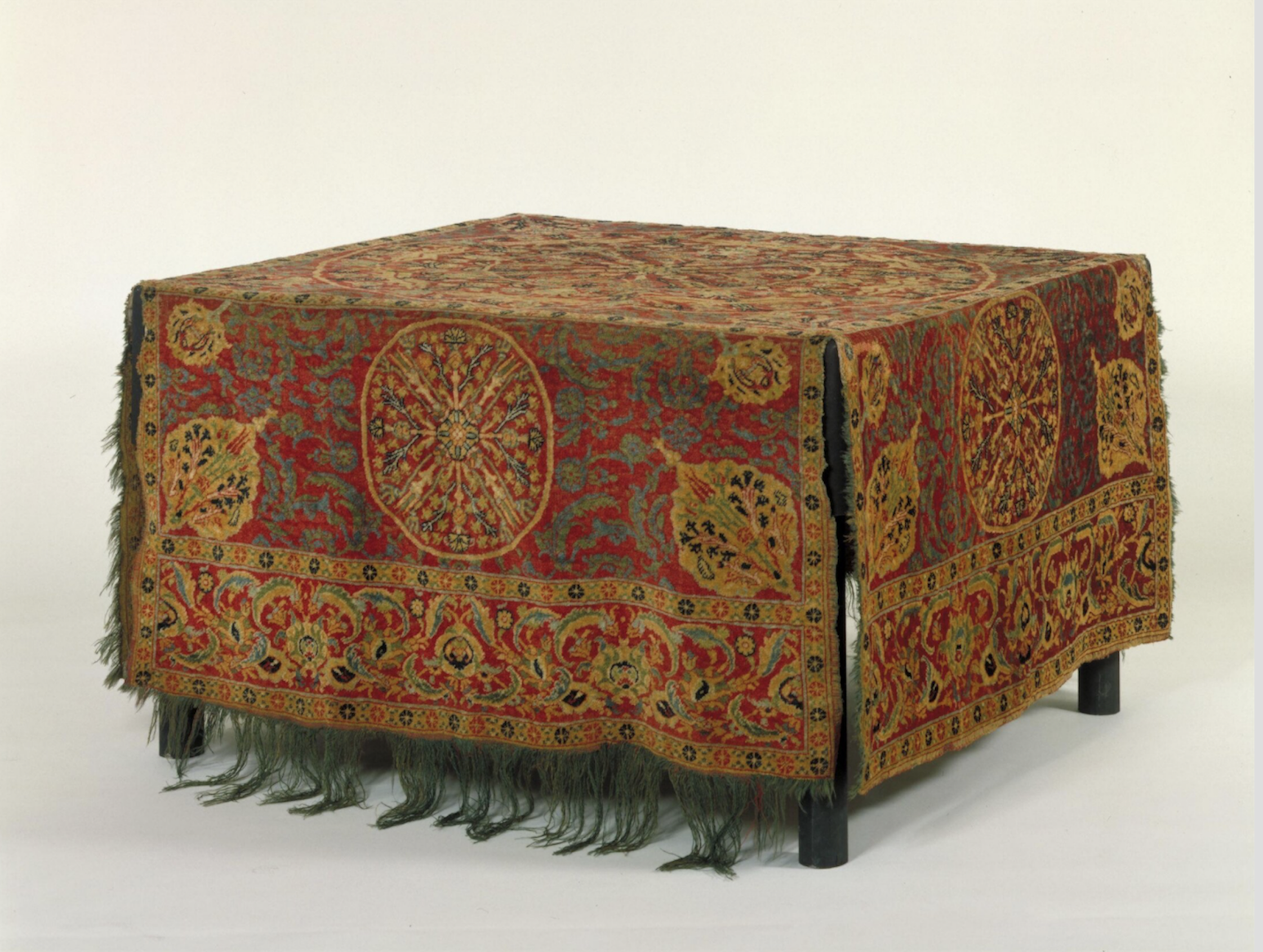
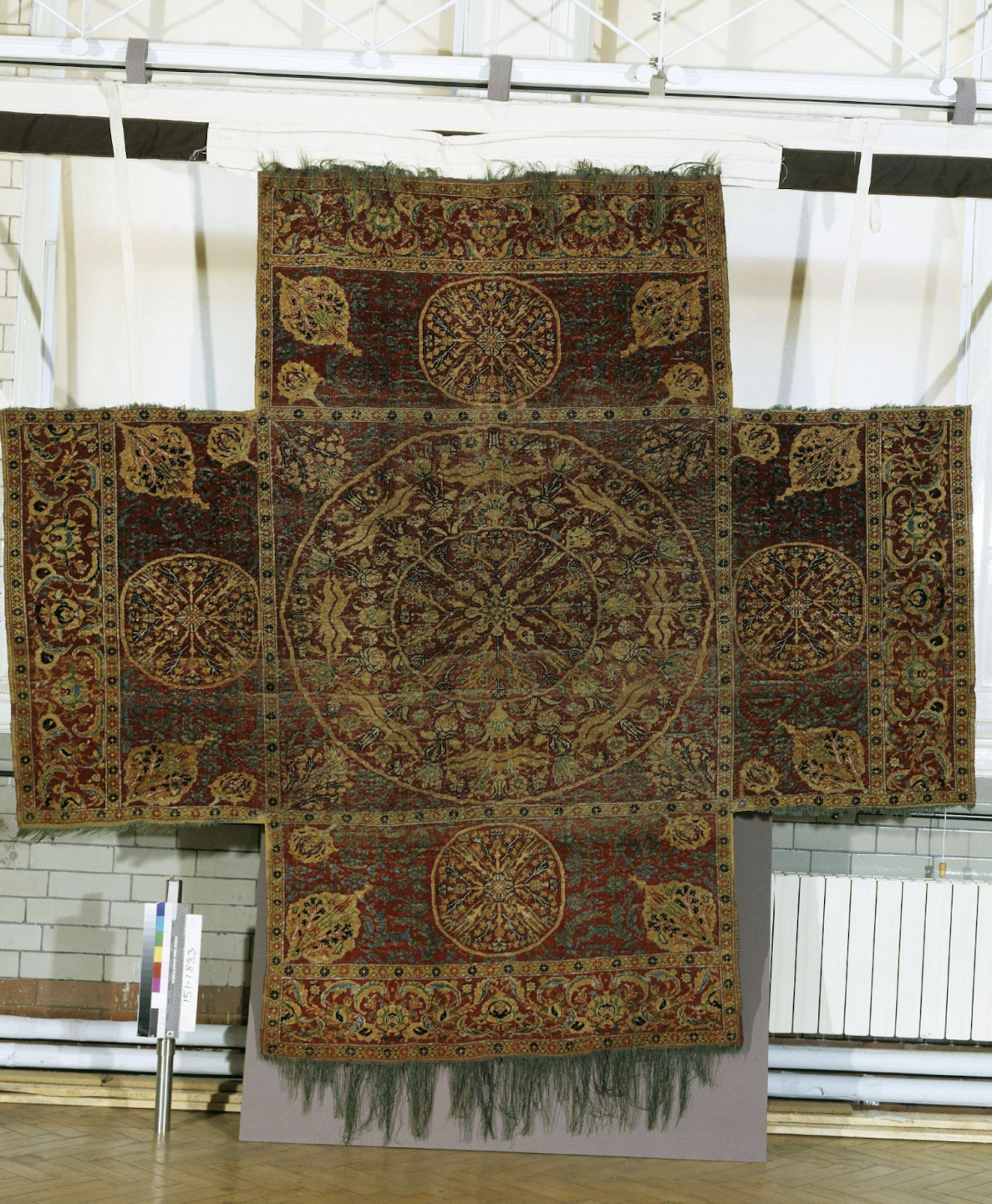
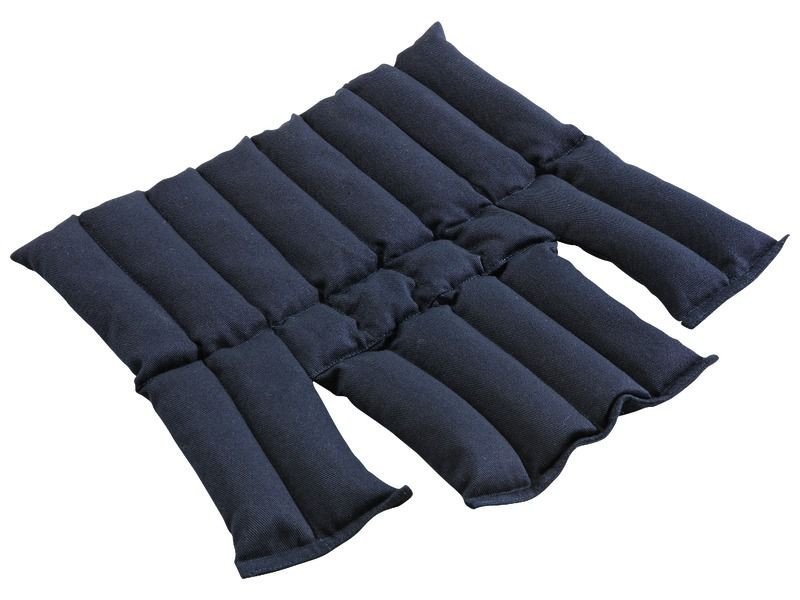
Then, combining these inspirations and acquired knowledge with a precise conceptual approach and local know-how, Louise imagined, on the basis of a single module, an inventory of elements — a tapestry, a kotatsu, kimonos and hot-water bottles — enabling us to experience localized comfort. Through her installation, she questions the contemporary conception of heating, while illustrating the potential of our discipline to make a significant contribution to these topical debates.
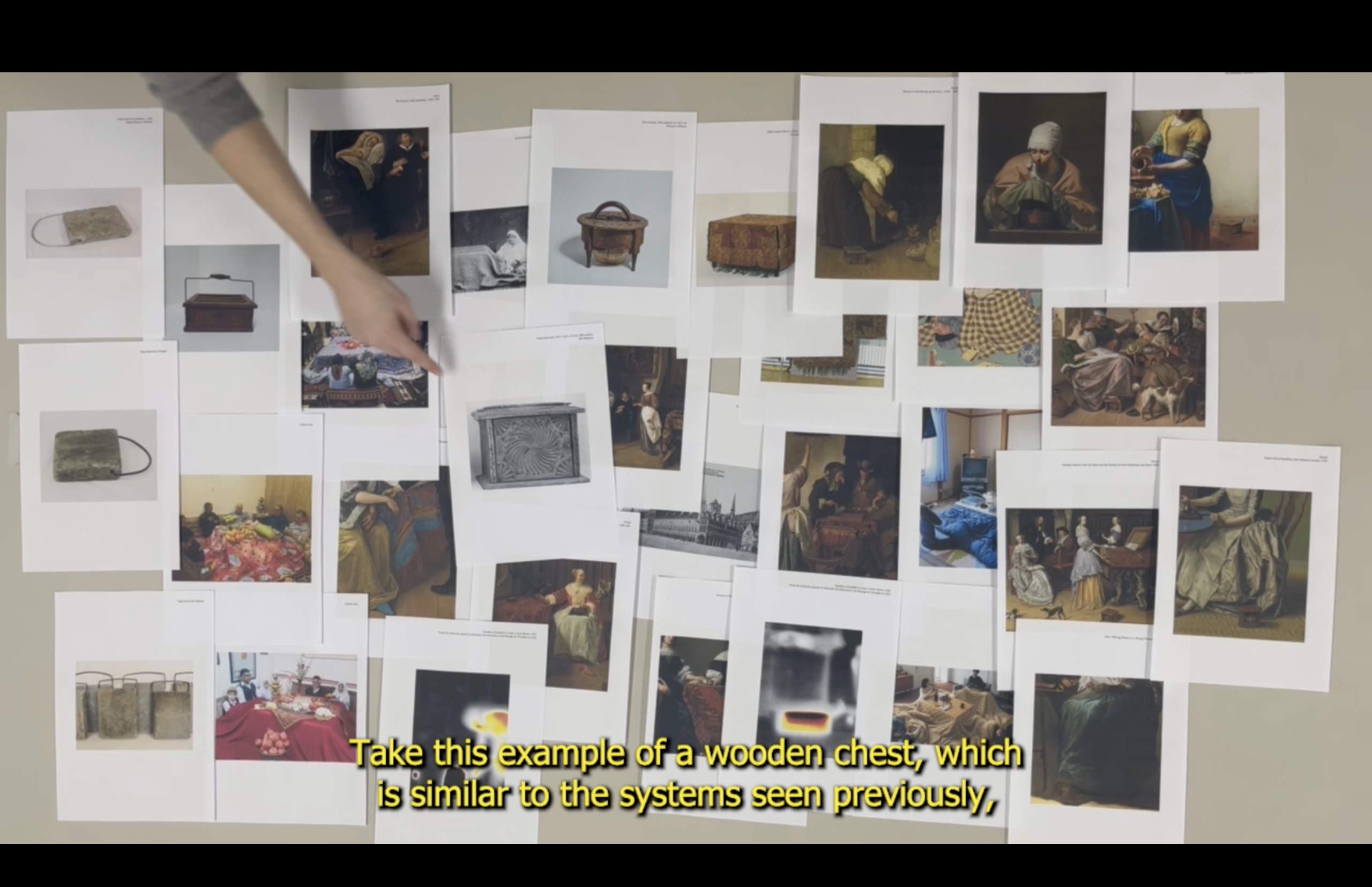
Through her atlas of images - a valuable tool she developed throughout her residency - she reveals here her research, her reasoning and the design of the resulting installation, which questions the place of architecture in our relationship to comfort.
Click here to buy the publication